
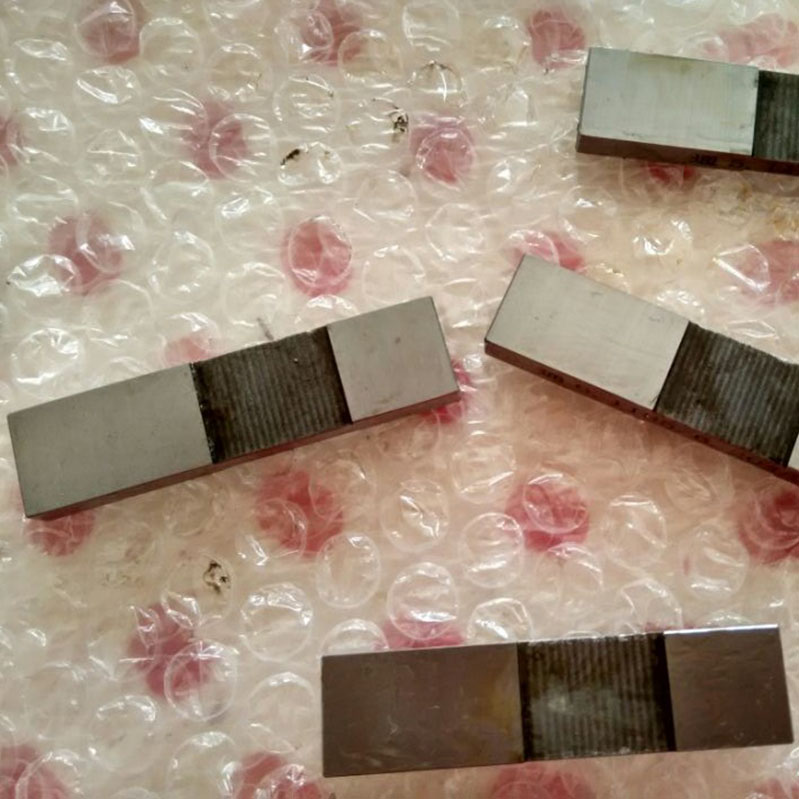
6mm toughened glass
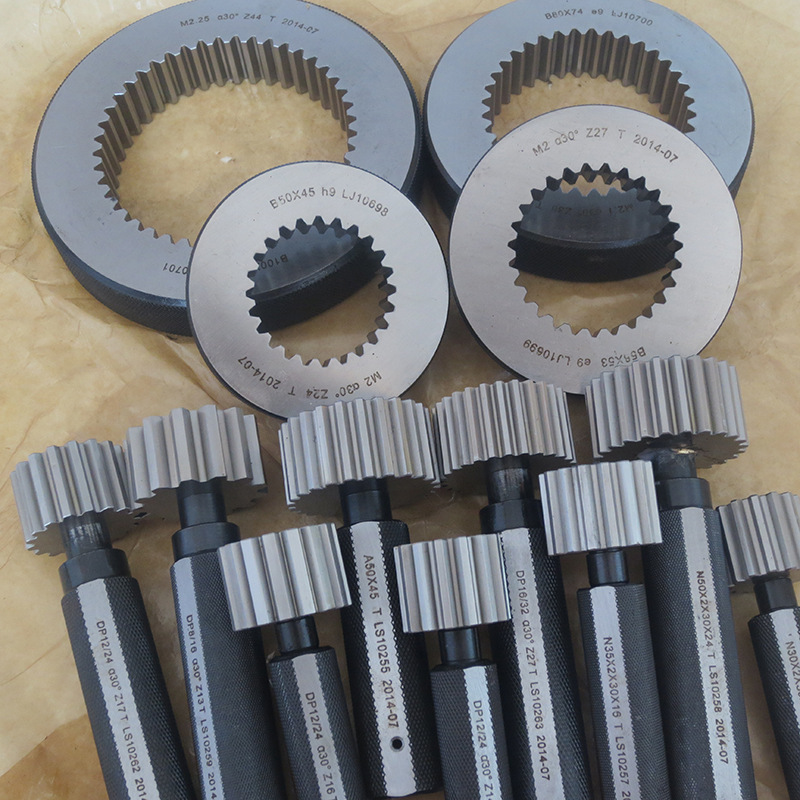
Understanding Standard Plug Gauges An Essential Tool in Precision Engineering In the world of manufacturing and engineering, precision is of utmost importance. Whether it’s in automotive production, aerospace engineering, or any form of mechanical assembly, ensuring that components fit together perfectly is vital for the safety, functionality, and quality of the final product. One of the key tools used to achieve this level of precision is the standard plug gauge. What is a Standard Plug Gauge? A standard plug gauge is a cylindrical tool used to measure the diameter of holes or the internal dimensions of parts. It serves two primary purposes to check whether a hole is within a specified size tolerance (go) or if it is out of specification (no-go). The gauge typically features two ends—one marked “go” and the other marked “no-go.” When the “go” end of the plug gauge fits snugly into the hole, it indicates that the dimension is acceptable. If the “no-go” end does not fit into the hole, it further confirms that the dimension is within the specified tolerance limits. This simplicity and effectiveness make standard plug gauges indispensable in quality control processes. Construction and Materials Standard plug gauges are usually constructed from high-quality steel, which offers durability and resistance to wear. They are often heat-treated to enhance their hardness, ensuring that they retain their shape and accuracy even after repeated use. The finishing process typically involves grinding and polishing to achieve precise dimensions and a smooth surface, which is important for reliable measurement. In some specialized applications, plug gauges may be made from different materials such as carbide or even ceramic, especially when extreme durability or heat resistance is required. These materials allow for greater longevity and maintain accuracy over a longer period, which is a critical factor in industries that demand high precision. standard plug gauge Applications of Standard Plug Gauges Standard plug gauges are widely utilized across various industries. In the automotive sector, they are used to ensure that engine components fit together correctly, which is essential for optimal performance and safety. Similarly, in the aerospace industry, plug gauges help maintain stringent tolerances required for aircraft parts, where even minute discrepancies can lead to catastrophic failures. Moreover, plug gauges are used in assembly lines to streamline the production process. By incorporating these gauges into the quality assurance phase, companies can detect defects early, reducing waste and rework costs. Additionally, plug gauges are invaluable in tool and die making, where precision is critical for the creation of molds and parts. Calibration and Standards The accuracy of standard plug gauges is paramount to their effectiveness. Regular calibration is essential to ensure that they maintain their specified dimensions and tolerances. Calibrating plug gauges typically involves comparing them against a master gauge with known dimensions. This process helps identify any discrepancies that need adjustment. Moreover, standard plug gauges must adhere to internationally recognized standards, such as those set forth by the American National Standards Institute (ANSI) and the International Organization for Standardization (ISO). Compliance with these standards not only ensures consistency in measurement but also fosters trust among manufacturers and customers alike. Conclusion In conclusion, standard plug gauges play a crucial role in precision engineering and quality control across various industries. Their simple design, combined with their effectiveness in measuring internal dimensions, makes them an invaluable tool for ensuring that components meet rigorous specifications. As technology continues to advance, the importance of precise measurements will only increase, solidifying the position of standard plug gauges as essential instruments in the manufacturing world. Ensuring their proper use and maintenance is vital for any enterprise aiming for excellence in production and assembly processes.
about
6mm toughened glass
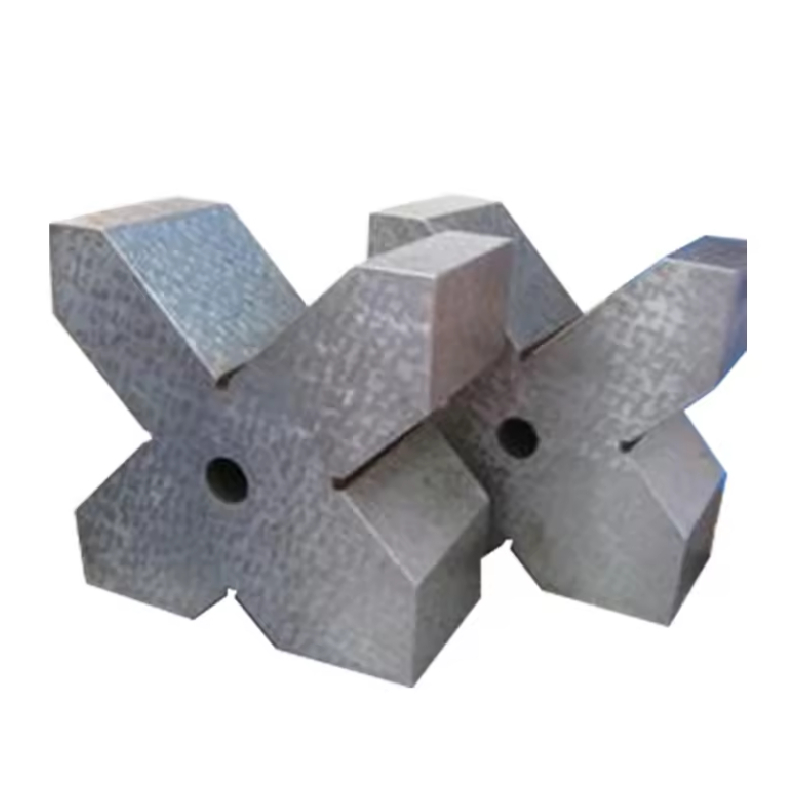
The Importance of Cast Iron Inspection Surface Plates in Quality Control In the realm of manufacturing and precision engineering, quality control is paramount. An essential tool in this process is the cast iron inspection surface plate. Used extensively in various industries, these plates provide a stable and precise reference point for measuring components and ensuring they meet the required specifications. Understanding cast iron inspection surface plates, their characteristics, and their applications can greatly enhance quality assurance processes. What Is a Cast Iron Inspection Surface Plate? A cast iron inspection surface plate is a flat, heavy object made from cast iron, designed with a high degree of accuracy. These plates are typically machined to a smooth surface, allowing for precise measurements of parts and assemblies. The primary purpose of these plates is to serve as a reference plane for various inspection tasks, such as layout, measuring, and checking the alignment of manufactured components. Characteristics of Cast Iron Surface Plates One of the key characteristics of cast iron is its ability to absorb vibration, which contributes to its effectiveness as an inspection tool. This property ensures that measurements taken on the plate are stable and not affected by external disturbances. Furthermore, cast iron surface plates are known for their durability and resistance to wear. This longevity is particularly beneficial in industrial settings where heavy components are frequently handled. Another important feature is the thermal stability of cast iron. Temperature fluctuations can cause materials to expand or contract, potentially leading to inaccuracies in measurements. However, cast iron plates maintain their dimensional integrity across a range of temperatures, ensuring consistent performance in different operating conditions. Applications of Cast Iron Inspection Surface Plates Cast iron inspection surface plates are used in a myriad of applications within manufacturing, machining, and assembly facilities . They play a crucial role in tasks such as cast iron inspection surface plate 1. Quality Assurance Inspection surface plates are fundamental for measuring the dimensions of machined parts and ensuring they adhere to design specifications. This step is vital for maintaining product quality and ensuring that components fit together correctly. 2. Layout Inspection Engineers and machinists use these plates to layout parts for further machining. By providing a flat reference, they can mark out features with accuracy, ensuring that subsequent operations are performed correctly. 3. Calibration of Measuring Instruments Calibration of various measuring tools, such as calipers and micrometers, is critical for maintaining the precision of measurements. Cast iron surface plates provide a reliable standard for this calibration process. 4. Assembly and Alignment When assembling large structures or machines, accuracy is vital. Cast iron plates help in aligning components accurately, ensuring the assembled product functions as intended. Maintenance of Cast Iron Surface Plates Proper maintenance is essential to ensure the longevity and accuracy of inspection surface plates. Regular cleaning and inspection for damage or wear are necessary practices. It is advisable to keep the surface free of any debris or foreign particles that could affect measurement accuracy. Additionally, using appropriate storage methods, such as covering the plate to prevent dust accumulation, can help maintain its condition. If wear occurs over time, some plates can be resurfaced to restore their flatness and accuracy. However, this process should be carried out by skilled professionals, as improper resurfacing can lead to further inaccuracies. Conclusion In conclusion, cast iron inspection surface plates are invaluable tools in the realm of quality control and assurance. Their unique properties, coupled with their diverse applications, make them an integral part of manufacturing processes. By providing stable, durable, and accurate reference surfaces, they play a crucial role in ensuring that products meet stringent quality standards. As industries continue to prioritize precision and accuracy, the significance of these plates will only grow, marking them as essential components in the toolkit of quality assurance professionals. Investing in quality inspection surface plates is an investment in the overall quality of the manufacturing process, leading to greater efficiency and customer satisfaction.
-

High quality industrial productsagement

High quality industrial products
View Details -

Meet the diverse needs of customers

Meet the diverse needs of customers
View Details -

Strict quality control

Strict quality control
View Details -

Top raw materials

Top raw materials
View Details -

Trusted supplier

Trusted supplier
View Details
Our application


news and information

Válvula de puerta de 50 mm
Válvula de compuerta de 50 mm una solución eficaz para el control de fluidos La válvula de compuerta
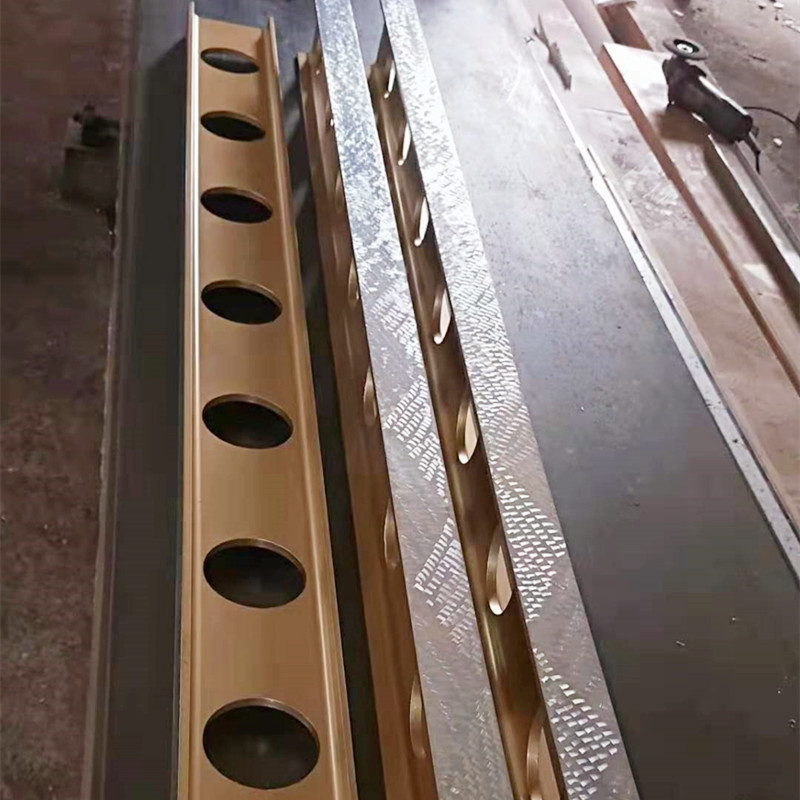
welding table clamps for versatile and secure workholding solutions
Understanding Welding Table Clamps A Comprehensive Guide Welding is an essential process in various
Versatile 3D Welding Table for Enhanced Fabrication and Precision Work
The Importance and Advantages of 3D Welding Tables in Modern Fabrication In the world of metal fabri
 English